
Amazon and TikTok Shop offer ecommerce brands different ways to reach customers, introduce products, and generate sales. While both platforms allow consumers to discover and purchase products, the shopping experiences they create can vary considerably.
Amazon has built its marketplace around product search, comparison, and purchasing convenience. TikTok Shop brings commerce into a social environment where videos, creators and community engagement can introduce shoppers to products they may not have been actively looking for.
For brands exploring Amazon vs. TikTok Shop, understanding these differences can help inform marketing investments and marketplace priorities. Depending on the product category, audience, and business goals, each platform may serve a valuable role in an ecommerce growth strategy.
Amazon vs. TikTok Shop: Key Differences at a Glance

Understanding How Customers Shop on Amazon vs. TikTok Shop
One of the most meaningful differences between Amazon and TikTok Shop is how shoppers discover products. Amazon frequently attracts consumers who already have a product or need in mind. Someone looking for a coffee maker or kitchen organizer might visit Amazon to compare options, read reviews, and evaluate prices. This search-driven environment creates opportunities for brands to connect with customers who are actively researching products. Relevant keywords, informative listings, competitive positioning and customer reviews can all contribute to how shoppers discover and evaluate available options.
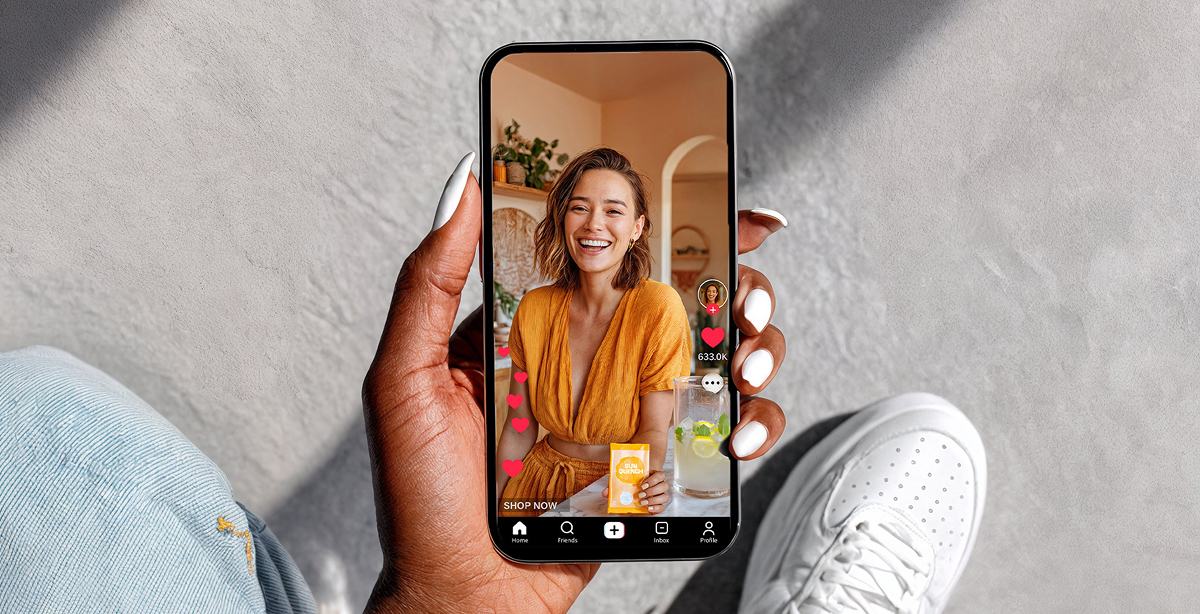
TikTok Shop introduces products through a different experience. Creator videos, livestreams, and shoppable content allow consumers to encounter items while engaging with entertainment or educational content. Someone watching a creator demonstrate a skincare routine may become interested in a product they hadn't previously considered.
These differences can help brands understand where each platform fits into the customer journey. Amazon may provide opportunities to capture existing product interest, while TikTok Shop can introduce products to new audiences through engaging content.
Amazon vs. TikTok Shop: Product Listings vs. Creator Content
Both platforms benefit from informative product content, although the formats and customer expectations differ.
On Amazon, product listings play a central role in purchasing decisions. Titles, bullet points, descriptions, images, and A+ Content help customers understand product features, specifications and benefits. Shoppers comparing similar products may be particularly interested in dimensions, compatibility, materials and other practical details. For example, a kitchen appliance brand might use its Amazon listing to explain product capacity, available settings and included accessories. Clear information can help customers compare models and determine which option fits their needs.
TikTok Shop allows brands to communicate many of those details through demonstrations and creator experiences. Rather than reading about an appliance's features, a shopper might watch someone use it to prepare a meal or demonstrate how it fits into their daily routine.
These approaches can complement one another. A product demonstration may introduce customers to a brand, while a detailed marketplace listing can answer additional questions during consideration.
Comparing Selling Costs and Profitability
Understanding the costs associated with each platform can help brands develop realistic expectations for profitability.
Amazon charges referral fees that vary by product category. Additional expenses may include fulfillment, storage, advertising, and account-related costs. Brands using Fulfillment by Amazon (FBA) gain access to Amazon's logistics infrastructure while accounting for the associated fees.
TikTok Shop also has platform fees, along with potential expenses related to creator commissions, advertising, fulfillment, and promotional activity. For brands working with affiliates, commission structures can become an important part of evaluating campaign profitability.
Comparing platform fees alone may provide an incomplete picture. Product margins, average order value, return rates and customer acquisition costs can all influence the value of each channel. A brand might generate significant sales through one platform but face higher marketing or fulfillment expenses. Evaluating the full cost of acquiring and fulfilling an order can help businesses better understand how each marketplace contributes to profitability.
How Fulfillment Influences the Customer Experience
Fulfillment is another consideration, particularly for brands managing inventory across multiple sales channels.
Amazon offers several fulfillment approaches, including FBA and seller-managed fulfillment. FBA allows eligible sellers to use Amazon's logistics network for storage, shipping, and certain customer service functions.
TikTok Shop also supports eligible fulfillment arrangements, including seller-managed and platform-supported options, depending on current program requirements. Brands considering the platform may want to evaluate how these requirements align with their existing inventory systems and shipping capabilities.
Selling across multiple platforms can introduce operational challenges related to inventory accuracy, product availability and delivery expectations. Understanding how fulfillment systems connect can help brands determine whether expanding into another marketplace is practical.
Which Products Are Best Suited for Amazon vs. TikTok Shop?
Product category and customer behavior can influence where brands find opportunities, although there is considerable overlap.
Amazon may be particularly relevant for products customers regularly search for, compare or replenish. Household essentials, electronics accessories, and established consumer product categories can benefit from a shopping environment where customers often arrive with a specific need.
TikTok Shop may present opportunities for products that lend themselves to demonstrations, storytelling, or creator recommendations. Beauty products, lifestyle accessories, and home goods can provide material for engaging content that introduces shoppers to new products.
These distinctions aren't strict limitations. A product that performs well through Amazon search may also generate interest through TikTok content, particularly when creators demonstrate its benefits in a relatable way. Brands can consider how customers typically research their products, what motivates purchasing decisions and whether their products naturally support different forms of discovery.
Can Amazon and TikTok Shop Work Together?
For some brands, exploring how Amazon and TikTok Shop complement one another may reveal opportunities beyond what either platform offers individually. A customer might discover a product through a TikTok video, visit the brand's website to learn more and eventually purchase through Amazon. Another shopper may encounter the same product through an Amazon search and complete their purchase without interacting with social content. These overlapping journeys can make it difficult to evaluate each platform using directly attributed sales alone. Social content may introduce a product, while marketplace listings provide additional information and a familiar purchasing experience.
A connected strategy could involve using creator-led content to build awareness while maintaining optimized Amazon listings for shoppers who prefer researching or purchasing through that marketplace. Understanding how these experiences connect can help brands evaluate the broader contribution of each channel and identify opportunities for more coordinated marketing.
Should Your Brand Sell on Amazon, TikTok Shop, or Both?
The decision between Amazon and TikTok Shop depends on several factors, including audience behavior, product characteristics, available resources, and business objectives. Brands with established Amazon operations may find opportunities to improve existing listings, strengthen advertising performance or expand product visibility before investing heavily in another platform. Others may find that creator partnerships and social commerce offer a useful way to introduce products to new audiences.
As a starting point, brands can consider which approach best aligns with their products and capabilities:
- Prioritize Amazon when customers actively search for products like yours and your brand can support competitive listings, advertising and fulfillment.
- Prioritize TikTok Shop when your products lend themselves to demonstrations or creator recommendations and you can invest in content and partnerships.
- Consider both platforms when your products suit both search-driven and social discovery, and you have the resources to coordinate inventory, fulfillment and marketing across channels.
Available resources also matter. Managing Amazon listings and advertising campaigns requires different capabilities from developing creator relationships, coordinating content and maintaining a presence on TikTok Shop. Evaluating these requirements alongside potential profitability and customer behavior can help brands determine where additional investment may be most valuable.
Explore Your Ecommerce Growth Opportunities
At Brightshift Labs, we help brands navigate Amazon through marketplace strategy, advertising, listing optimization and performance analysis. Whether you're looking to strengthen your existing Amazon presence or explore how it fits into your broader ecommerce strategy, connect with our team to discuss opportunities for growth.
And if you're interested in exploring TikTok Shop, our sister agency, Joybyte, specializes in creator-led marketing and social commerce, helping brands connect with audiences through engaging content and shopping experiences.


